May 15, 2024
CIIP
Education
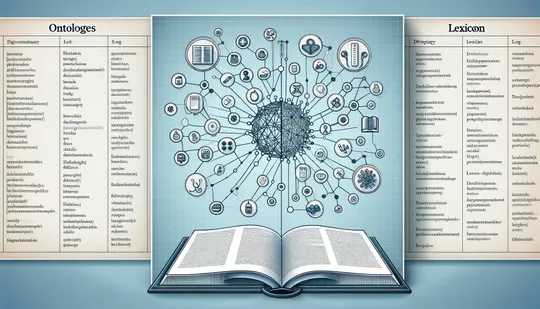
What's in a Name? Understanding Lexicons and Ontologies in Health
What's in a Name? Understanding Lexicons and Ontologies in Healthcare
"What's in a name? That which we call a rose by any other name would smell as sweet." This famous line from William Shakespeare prompts us to consider the importance of names and their meanings. In healthcare, the names assigned to conditions, procedures, and anatomical sites carry significant weight and meaning. They go far beyond simple labels, playing a crucial role in communication and understanding within the field.
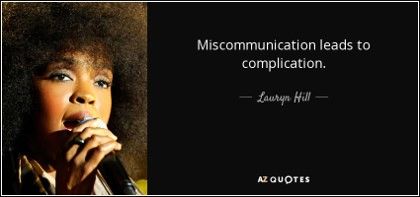
Lauryn Hill once remarked, "Miscommunication leads to complication." This sentiment is particularly true in the realm of medical imaging and informatics, where clear and consistent terminology is vital. Miscommunication in this context can lead to significant complications, impacting patient care and outcomes. Therefore, understanding the concepts of lexicons and ontologies is essential for anyone working in healthcare.
The Importance of Terminology
In healthcare, terminology refers to the specific words or phrases used to describe medical conditions, procedures, and anatomy. Terms like "anteroposterior" and "lateral" are used to describe different types of views in medical imaging, while "MRI" refers to a specific imaging modality. This terminology allows healthcare professionals to communicate accurately and consistently, ensuring that everyone involved understands what is being discussed.
However, simply knowing the terms is not enough. There needs to be a deeper understanding of how these terms are organized and related to one another. This is where lexicons and ontologies come into play.
Lexicons: The Specialized Dictionaries
A lexicon is essentially a specialized dictionary tailored to a particular field. In medical imaging, for example, an anatomical lexicon might list the names and definitions of various body parts. A lexicon provides a collection of terms and their meanings within a specific domain, ensuring that everyone using the lexicon has a common understanding of the terminology.
Ontologies: Structured Frameworks of Understanding
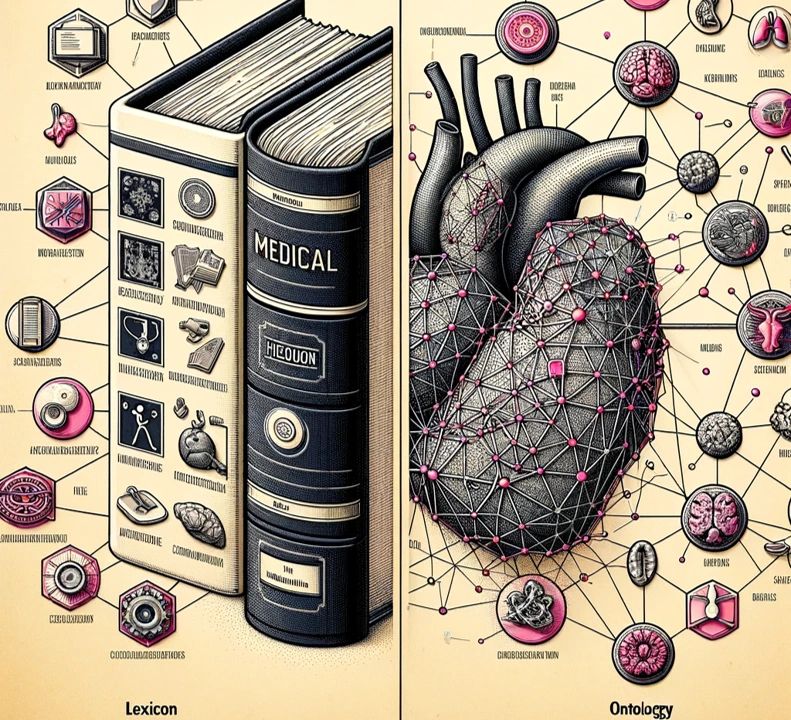
While lexicons are valuable, they are just the beginning. Ontologies take things a step further by providing a structured framework that categorizes and defines the relationships between concepts within a specific domain. In other words, ontologies not only define terms but also describe how these terms are related to one another. This hierarchical structure allows for a more comprehensive understanding of the domain.
For example, an anatomical ontology might define the relationship between the arm and the wrist. While a lexicon would simply list these terms and their definitions, an ontology would show that the wrist is a part of the arm, and the arm is part of the upper limb. This structured relationship is crucial for enabling clear communication and shared understanding within the field.
Distinguishing Lexicons from Ontologies
People often use the terms lexicon and ontology interchangeably, but they are distinct concepts. A lexicon is a static list of terms and their meanings, similar to a dictionary. It provides the basic vocabulary needed to understand a field. An ontology, on the other hand, is dynamic and relational. It not only defines terms but also describes the relationships between them, creating a more holistic understanding of the domain.
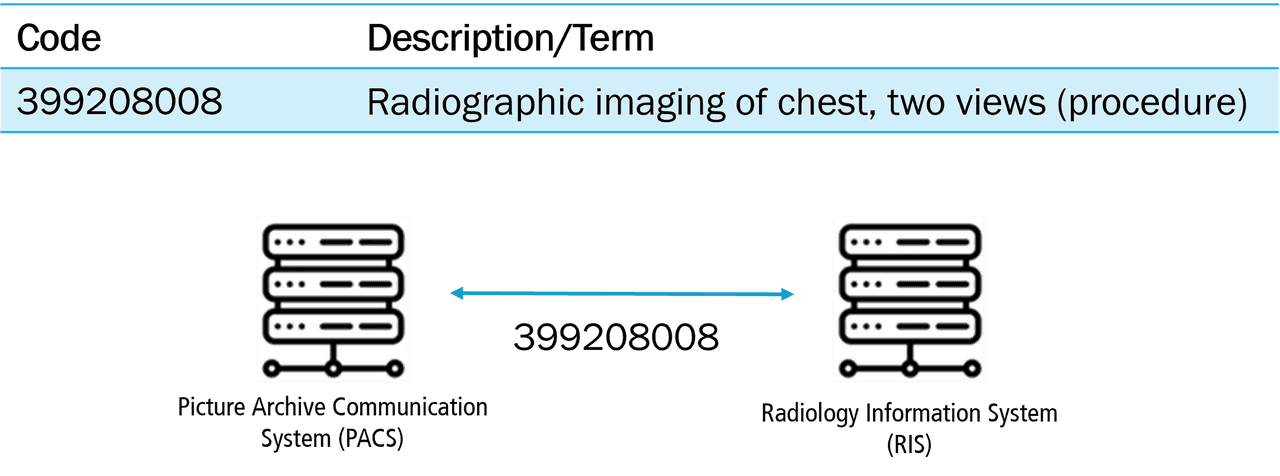
In healthcare, ontologies are particularly valuable because they enable semantic interoperability. This means that different healthcare systems can communicate effectively, using standardized definitions and coding vocabularies to ensure that everyone is on the same page. For example, two healthcare organizations might label the same procedure differently, leading to confusion and miscommunication. A standardized ontology can mitigate these challenges by providing a common framework for understanding and communication.
The Role of Codified Terms
In addition to lexicons and ontologies, codified terms play a critical role in healthcare communication. Each codified term corresponds to a specific, human-readable term, ensuring clarity and consistency. These codified terms are particularly valuable in multilingual contexts, such as Canada, where information exchange must accommodate multiple languages. Instead of relying on natural language, systems can use numeric codified terms, simplifying translation and communication.
Enhancing Cross-Specialty Workflows
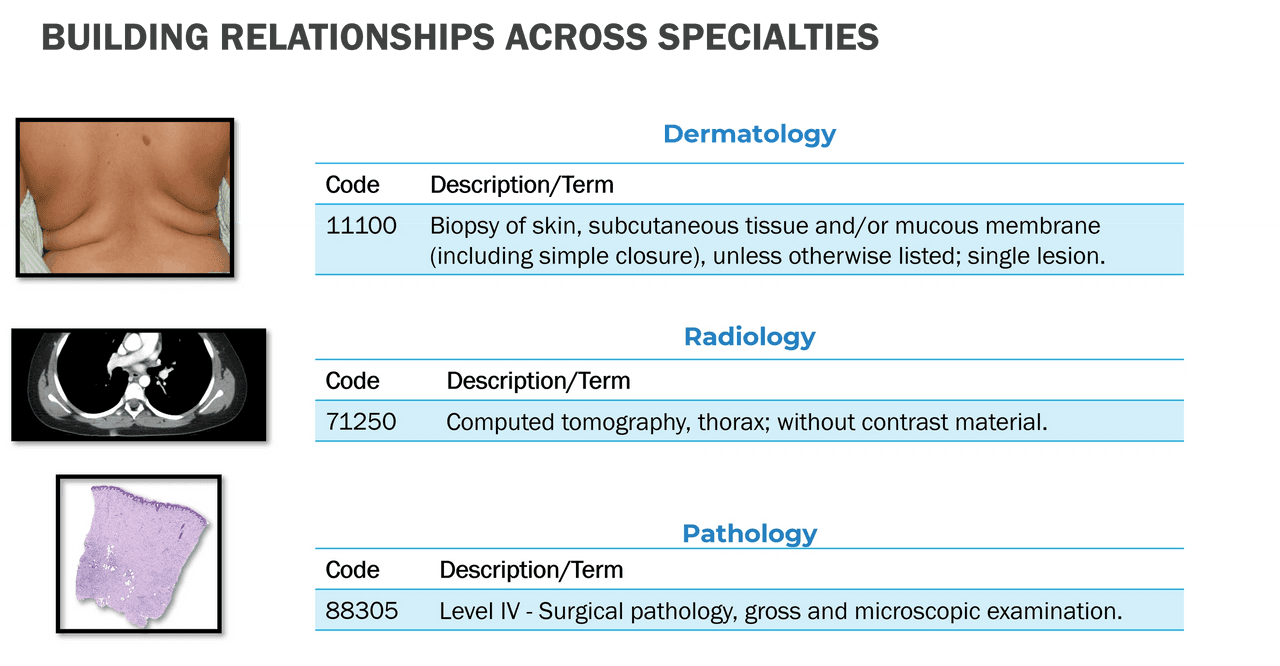
A common understanding of terminology and ontologies is crucial for effective cross-specialty workflows. For instance, a patient receiving care from a dermatologist, radiologist, and pathologist may undergo various examinations of the same body area. Without a unified ontology, it would be challenging to relate these different examinations. Standardized codes and terms facilitate this relationship, enhancing the quality of care.
Historical Context and Modern Standards
The effort to classify diseases and procedures in medicine dates back to 1883 with the classification of causes of death. Over time, this evolved into modern coding standards and ontologies, such as:
RadLex: A standardized radiology terminology encompassing terms for procedures and diagnoses.
LOINC: A coding system with standardized codes and terms for lab tests, clinical measurements, and healthcare observations.
SNOMED CT: A universal terminology with standardized codes and terms for documenting diagnoses, applicable across all specialties.
CPT: Current Procedural Terminology, a five-digit numerical code designating medical procedures for services and patient billing.
ICD: International Classification of Diseases, a global standard for health condition classification with extensive categories.
Practical Applications
In practice, leveraging codified terms can enhance various aspects of healthcare:
Worklists: Radiologist worklists can be optimized to direct specific procedures to sub-specialty groups.
Relevant Priors: Comprehensive ontologies enable strong relevant prior rules, going beyond one-to-one matches.
Cross-Enterprise Function: Standardized ontologies and nomenclature facilitate information exchange between different healthcare sites.
In conclusion, understanding the concepts of lexicons and ontologies is essential for effective communication and data management in healthcare. They enhance clarity, enable interoperability, and empower semantic analysis, ultimately improving patient care and outcomes. By recognizing the unique roles of lexicons and ontologies, healthcare professionals can ensure that they communicate effectively, reducing the risk of miscommunication and its associated complications.
Want to Keep Learning?
To deepen your understanding and further explore the intricacies of imaging informatics, consider diving into our course "IMG_101: Introduction to Imaging Informatics," designed to expand your knowledge of imaging informatics and prepare you for the CIIP exam. Visit our learning platform for more information